Understanding Nonsuicidal Self-Injury: Why Awareness, Understanding, and Compassion Matter

Written by: Carrie Jorgensen, Executive Director
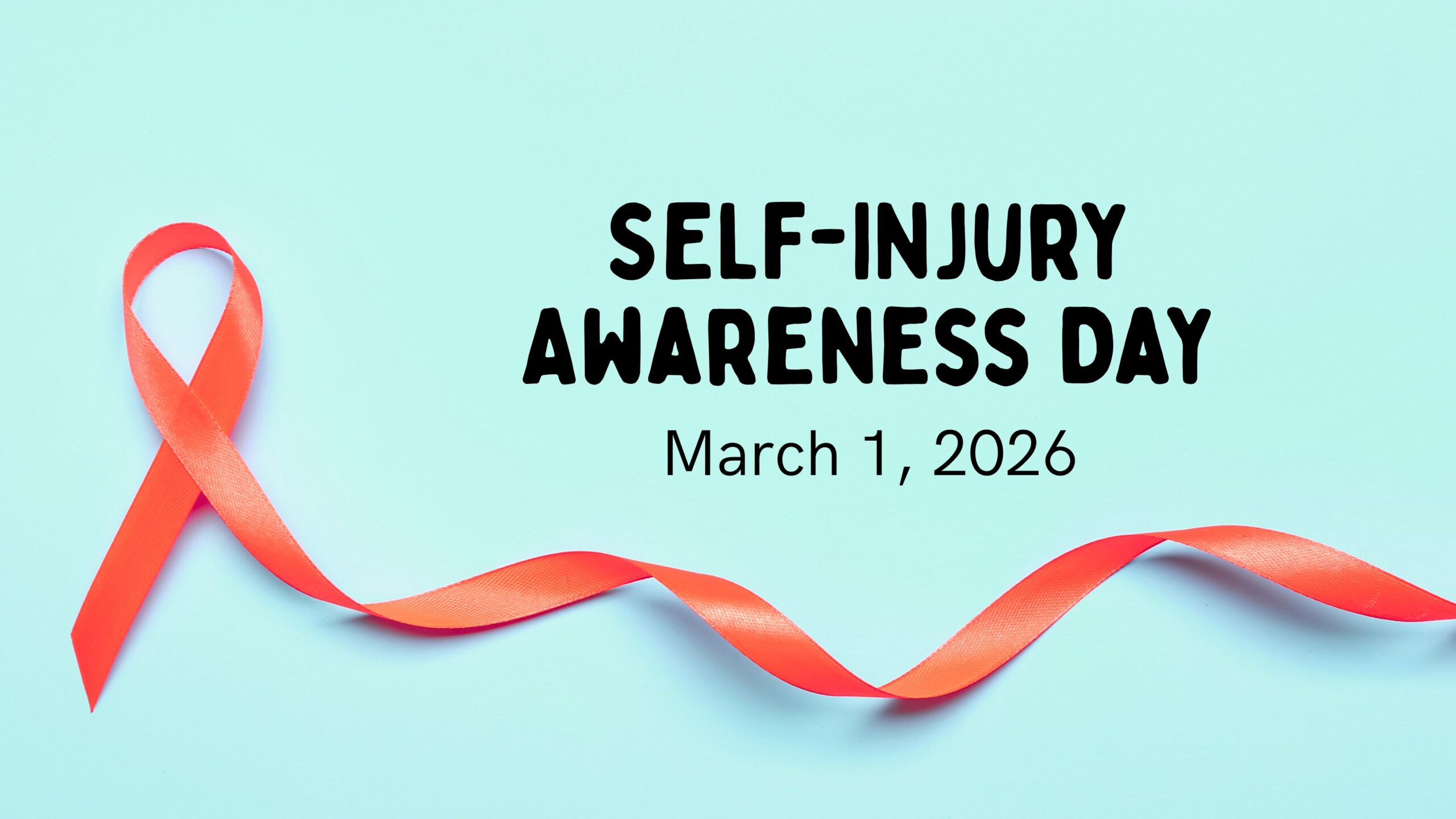
In recognition of Self-Injury Awareness Day — Sunday, March 1, 2026
Emotional distress is something many people experience, yet it often remains hidden behind silence, stigma, or misunderstanding. One of the most misunderstood responses to emotional pain is nonsuicidal self-injury (NSSI). As friends, family, coworkers, and neighbors, understanding NSSI helps us create environments where people feel safe seeking help.
In recognition of Self-Injury Awareness Day on March 1, 2026, we hope to shed light on what NSSI is, why people engage in it, and how communities can respond with compassion and support.
What Is Nonsuicidal Self-Injury?
Nonsuicidal self-injury (NSSI) refers to intentionally harming one’s own body without the intention to die. This can include behaviors such as cutting, burning, scratching, or hitting oneself.
While these actions can be uncomfortable to hear about, it’s important to understand that NSSI is not an attempt to end one’s life. Instead, it is often used as a maladaptive coping skill — a strategy that may provide temporary relief but ultimately does not help someone manage their emotions in a healthy or sustainable way.
People may engage in NSSI to:
· Reduce overwhelming emotional distress
· Feel a sense of control during chaotic moments
· Express emotions they cannot verbalize
· Break through emotional numbness
· Release tension or self-directed anger
These behaviors often signal emotional pain, not a desire to die. We can appropriately respond with empathy and active listening while refraining from judgment.
Why People Use NSSI as a Coping Strategy
When someone lacks healthy ways to manage intense emotions, NSSI can become a way to cope — even though it ultimately creates more challenges. The relief it provides is temporary, and the underlying emotional struggles remain unaddressed.
Understanding NSSI as a coping mechanism shifts the conversation from “Why would someone do this” to “What pain is this person carrying, and how can we support them.”
How to Recognize When Someone May Be Experiencing Suicidal Thoughts or Behaviors
While NSSI is not the same as suicidal behavior, it’s important for communities to understand general warning signs that someone may be struggling with thoughts of suicide. These signs don’t confirm that someone is suicidal, but they can indicate that a person is in significant emotional distress and may need support from trained professionals or trusted individuals.
Common warning signs can include:
· Talking about feeling hopeless, trapped, or like a burden
· Expressing thoughts about wanting to die or not wanting to be alive
· Withdrawing from friends, family, or usual activities
· Noticeable changes in mood, such as increased sadness, agitation, or emotional numbness
· Giving away belongings or saying goodbye in ways that feel unusual
· Sudden calmness after a period of distress
· Risk-taking behaviors or increased substance use
These signs are signals that someone may be struggling. If community members notice these behaviors, reaching out with compassion and encouraging the person to connect with a mental health professional or someone they trust can make a meaningful difference.
The Role of Community Awareness
Community members play a crucial role in creating supportive environments. Increasing awareness about NSSI helps:
· Reduce stigma
· Encourage early intervention
· Support families, educators, and peers
· Strengthen local mental health programs
· Promote understanding and compassion
When people feel safe and understood, they are more likely to reach out — and that can be a turning point toward healing.
Self-Injury Awareness Day: A Call to Action
Self-Injury Awareness Day (SIAD), observed on Sunday, March 1, 2026, is dedicated to:
· Breaking the stigma surrounding self-harm
· Educating the public about emotional distress and coping
· Supporting individuals who self-injure
· Encouraging those who struggle to seek help
This day reminds us that emotional pain is real, and that healing becomes possible when communities respond with compassion rather than judgment.
How Community Support Makes a Difference
Your involvement — whether through learning, volunteering, or simply listening — helps build a community where people feel safe asking for help. Support from trained professionals and trusted individuals is essential for anyone experiencing emotional distress.
By staying informed and compassionate, together we can help ensure that no one has to face their struggles alone.
You can deepen your understanding of NSSI and learn how to support those in your community by becoming certified in Mental Health First Aid. To explore this training and other educational opportunities, visit: Education & Training | Lost&Found